
How to Clean Your Home Exterior Without Causing Damage
Safe house pressure washing starts with using the right pressure level, proper cleaning tips, and a careful spray pattern. Most damage happens when water pressure is too high or aimed too close to siding. By using moderate pressure, standing a safe distance away, and following a step-by-step plan, you can remove dirt, mold, and stains without harming paint, vinyl, brick, or wood.
What You Need Before Starting
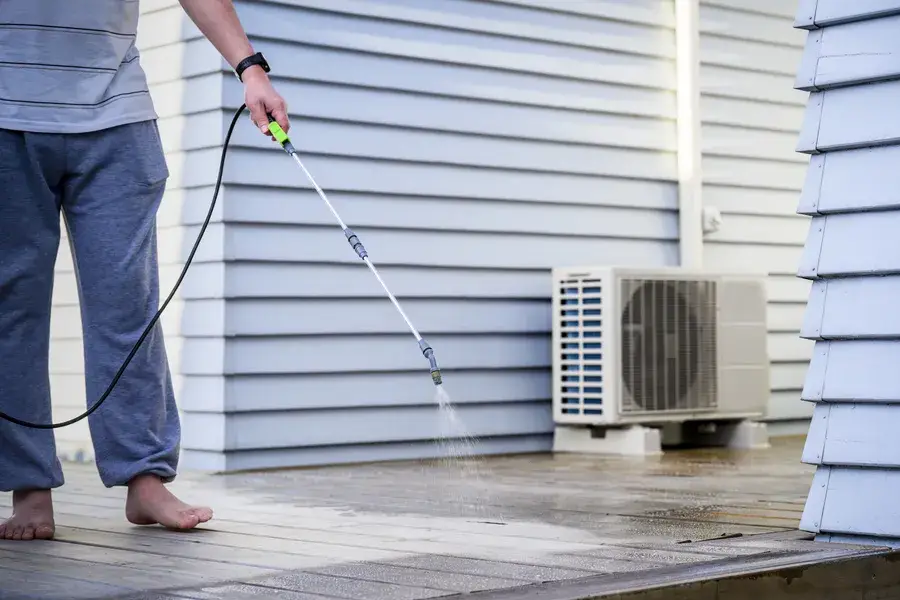
Before beginning any house pressure washing job, gather the correct tools and check your equipment. The right setup makes the work easier and lowers the risk of damage.
- A pressure washer with adjustable PSI
- A wide-angle spray tip, like 25-degree or 40-degree
- Mild house cleaning detergent made for siding
- Safety glasses and closed-toe shoes
- A sturdy ladder if needed, not for spraying high areas directly
For most homes, a machine rated between 1,200 and 2,500 PSI is strong enough. Higher pressure is rarely needed for siding. Always test the spray on a small hidden spot first.
Step-by-Step Process for Safe Results
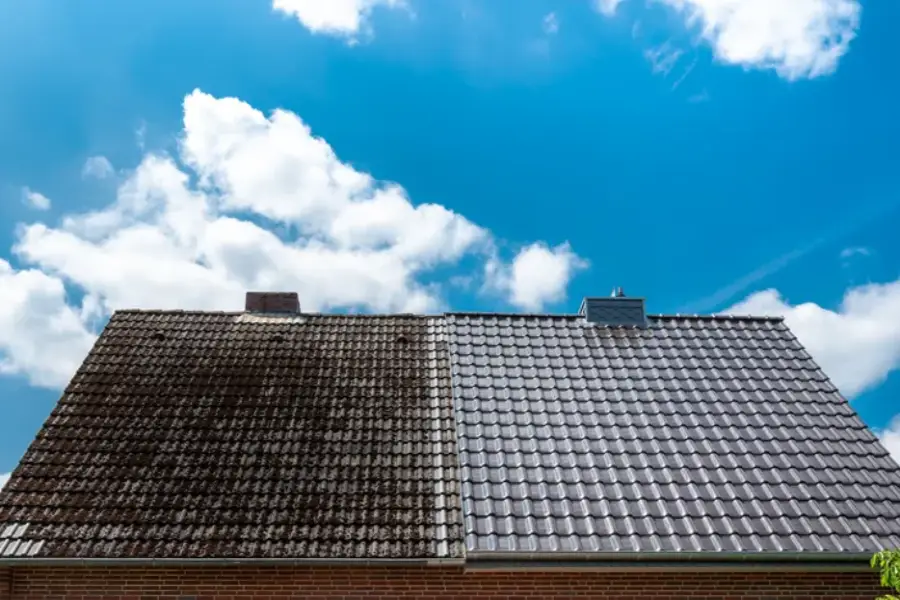
Following a clear process helps prevent streaks and surface damage. Take your time and work in small sections.
- Close all windows and doors tightly. Cover outdoor outlets and light fixtures.
- Rinse plants and grass with plain water to protect them from soap.
- Apply detergent using low pressure or a soap setting.
- Let the cleaner sit for 5 to 10 minutes without drying.
- Switch to a wide spray tip and rinse from top to bottom.
- Keep the nozzle at least 12 to 18 inches from the surface.
- Use smooth, even strokes. Do not spray upward under siding panels.
Rinsing from the top down helps push dirt away. Steady motions prevent marks and uneven lines on your home.
Common Mistakes to Avoid
Many homeowners cause damage without knowing it. Avoid these common errors during house pressure washing.
- Using a zero-degree tip on siding
- Spraying too close to wood or vinyl
- Aiming water upward under lap siding
- Ignoring cracks in old paint
- Pressure washing delicate trim or loose panels
Too much pressure can strip paint, dent aluminum, and crack vinyl. Water forced behind siding can lead to mold and rot inside walls. Gentle technique protects your home and saves money on repairs.
Surfaces That Need Extra Care
Not all materials handle pressure the same way. Brick and concrete are stronger. Wood and stucco are softer. Older homes may have brittle siding or peeling paint. Soft washing with lower pressure and cleaning solution is often safer for these surfaces.
Painted wood can chip if sprayed too hard. Stucco can break apart under high pressure. Even newer vinyl siding can bend if hit too closely. Always match your method to the material.
When to Call A Professional
Some jobs are better left to trained crews. If your home is more than two stories tall, has heavy mold growth, or shows signs of rot, professional help is a smart choice. Homes with older paint may also require special care to prevent chipping.
Professionals use commercial-grade equipment with adjustable settings and know how to clean safely without causing damage. They also carry proper safety gear and insurance. If you feel unsure at any step, stopping is better than risking harm to your home.
Final Recommendation and Help in Santa Monica, CA
If you want safe and reliable house pressure washing in Santa Monica, CA, we are ready to help. At Spotless Cleaning Systems Inc., we use the right pressure levels and proven methods to protect your siding while removing dirt and stains. Call us at (310) 388-4960 to schedule service or ask questions about your home. We are happy to guide you and provide results you can feel good about.