
Rain, Wind, Heat, and Cold All Change How Fast Your Windows Get Dirty
Weather has a direct impact on how often your windows need attention. Rain can leave spots, wind can blow dirt and pollen onto the glass, and heat can bake grime onto the surface. Cold weather can also trap moisture and create streaks. In places with changing seasons, windows often get dirty faster than homeowners expect. That is why window cleaning schedules often shift based on the time of year.
Why Prevention Matters
Glass may look smooth and strong, but it can be damaged over time. Dirt, pollen, hard water spots, and bird droppings can slowly wear down the surface. Sunlight can bake debris onto the glass, making it harder to remove later. Regular window cleaning helps prevent staining and keeps windows clear and bright. Clean windows also let in more natural light and improve curb appeal.
Weather plays a big role in how quickly buildup happens. If you wait too long after heavy storms or dusty days, the cleanup becomes much harder.
Early Warning Signs Your Windows Need Attention
It is not always obvious when it is time to clean your windows. Here are a few signs to watch for:
- Rain leaves white or gray spots after drying
- You notice a hazy film when sunlight hits the glass
- Pollen collects along window edges in spring
- Dirt streaks appear after windy days
- Windows look dull even when the sun is out
These signs often show up after weather shifts, such as a storm front or a long dry stretch with high winds.
Seasonal Checklist for Cleaner Windows
Each season brings different challenges. Following a simple schedule can help protect your glass and frames.
- Spring: Remove pollen, seed pods, and storm residue.
- Summer: Clean off dust, bug marks, and sprinkler spots.
- Fall: Wash away fallen leaf stains and debris.
- Winter: Clear salt spray and reduce moisture buildup.
Homes that combine window cleaning with gutter cleaning often see better results. When gutters overflow during rain, dirty water can run down over windows and leave stains. Keeping both systems clear helps reduce that mess.
Best Practices for Long-Term Results
Timing matters when cleaning glass. Avoid washing windows in direct, hot sunlight. Heat causes water and cleaner to dry too fast, which leads to streaks. Mild, cloudy days work best.
Use the right tools. A soft scrubber, a quality squeegee, and clean water can make a big difference. Change out dirty water often. Wipe window frames and sills as well, since dirt from those areas can wash right back onto the glass during the next rain.
After major weather events, such as windstorms or heavy rain, a quick rinse can prevent spotting. Staying ahead of buildup keeps the job easier each time.
What Not to Do
Many homeowners make simple mistakes that lead to more work later.
- Do not use abrasive pads that can scratch glass.
- Do not clean windows during freezing temperatures.
- Do not ignore hard water spots for months.
- Do not rely on rain alone to rinse windows clean.
Rain often carries dust and minerals. When it dries, it can actually leave windows looking worse than before.
When to Schedule Professional Help
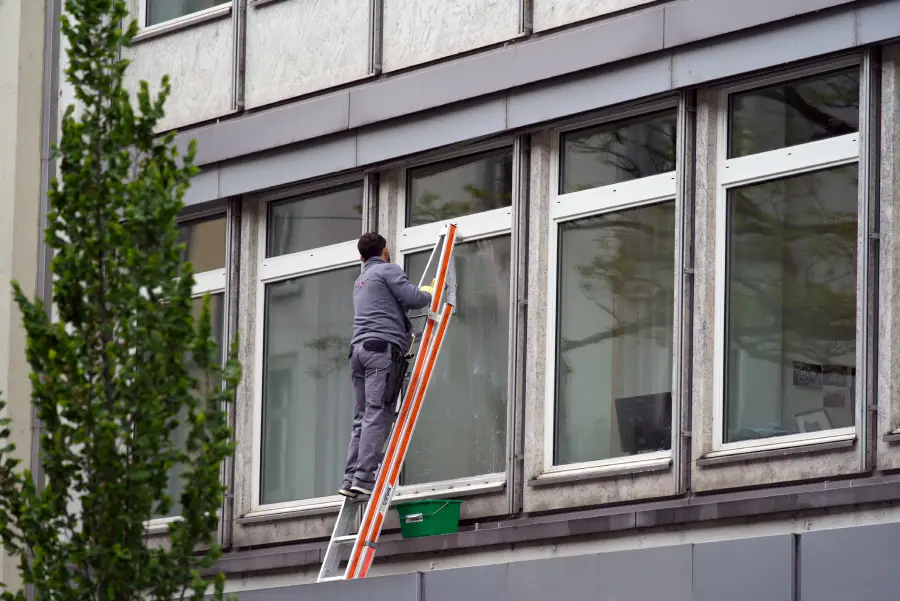
Some windows are difficult or unsafe to reach. Second-story glass, skylights, and large commercial panels may require special equipment. If weather has caused heavy staining or mineral buildup, professional tools may be needed to restore clarity.
Business owners should also pay attention after long stretches of bad weather. Storefront windows create first impressions. Regular care as part of a property maintenance plan keeps them looking sharp year-round.
Ready for Clearer Views?
Weather in Santa Monica, CA can change fast, and your windows feel the effects every season. At Spotless Cleaning Systems Inc., we help homeowners and businesses stay ahead of streaks, spots, and buildup with reliable service and safe methods. If your glass needs attention after recent storms or seasonal changes, call us at (310) 388-4960 and we will be glad to schedule a convenient appointment.